Understanding Bid and Ask Prices in Forex
In the dynamic realm of foreign exchange (forex) trading, the terms bid and ask prices are fundamental concepts that every trader should understand. These terms signify the different prices at which an asset is bought and sold, playing a crucial role in trading strategies and decision-making processes.
The Bid Price
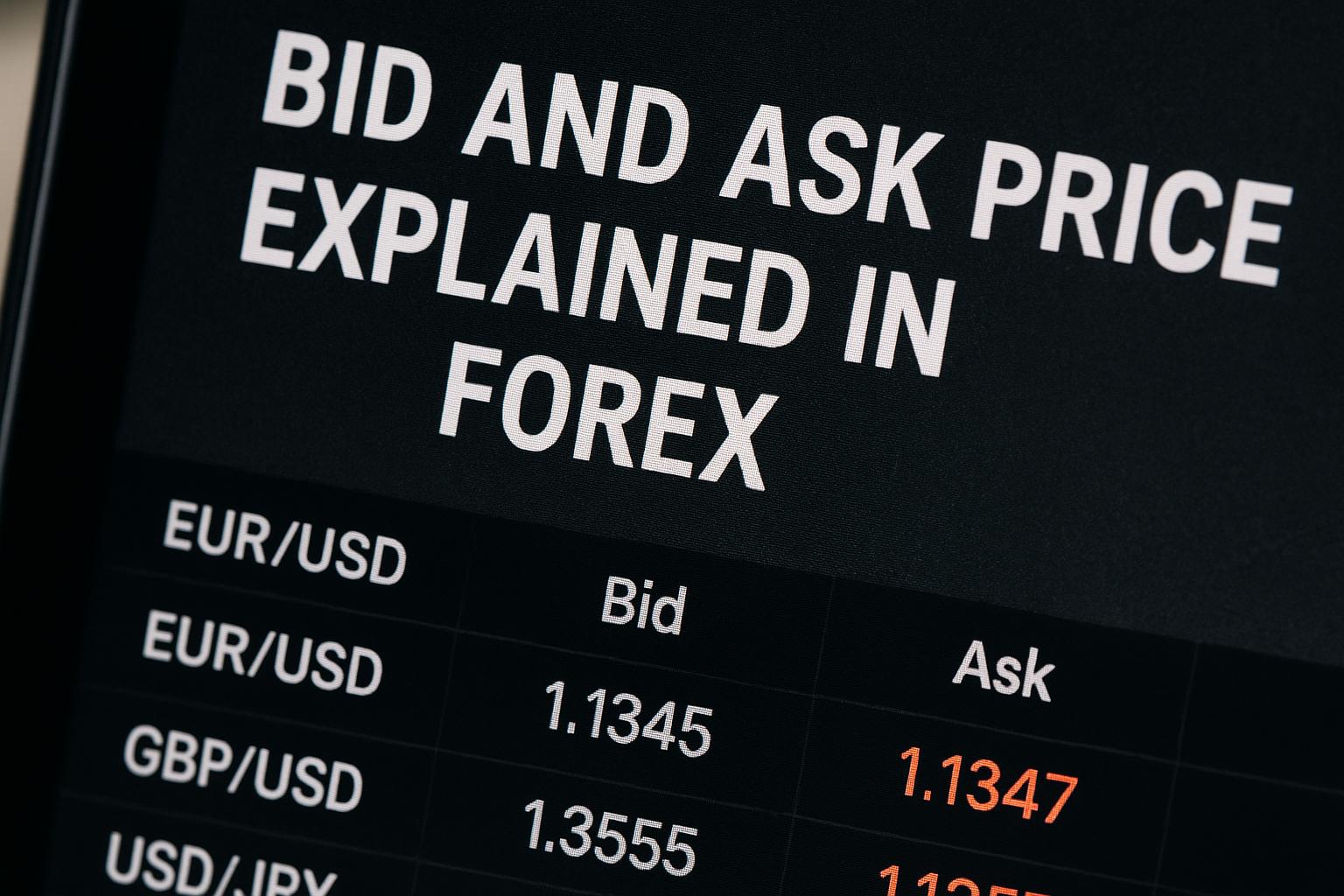
The bid price represents the highest price that a buyer is willing to pay for a currency pair at any given moment. It essentially indicates how much buyers are ready to spend to acquire a currency pair. Notably, when you decide to sell a currency pair, you will receive the bid price. This price is vital because it indicates the demand level for a specific currency at a particular time. In most trading platforms, the structure typically displays the bid price on the left side of the quote to distinguish it clearly from the ask price.
Understanding the intricacies of the bid price can provide insights into market demand dynamics. If the bid price of a currency pair is steadily increasing, it may signal growing demand or investor confidence in that currency. Predicting movements in the bid price requires the observance of various market conditions and factors like political events, economic indicators, and trader sentiment.
The Ask Price
Conversely, the ask price is the lowest price at which a seller is prepared to part with a currency pair. For traders looking to purchase a particular currency, the ask price is what they will pay. This element is crucial to understanding because it reflects the market’s supply level for the currency. On most platforms, the ask price is displayed on the right side of the quote, separate from the bid price.
Analyzing the ask price provides a window into the supply side of the market. For instance, a decrease in the ask price might imply an increased willingness amongst sellers to offload a currency due to potential oversupply or weak market forecast. Compared to the bid price, factors affecting the ask price could include economic policies, geopolitical stability, or central bank actions. For forex traders, having a comprehensive understanding of how these elements influence ask prices is essential in formulating effective buying strategies.
The Importance of the Bid-Ask Spread
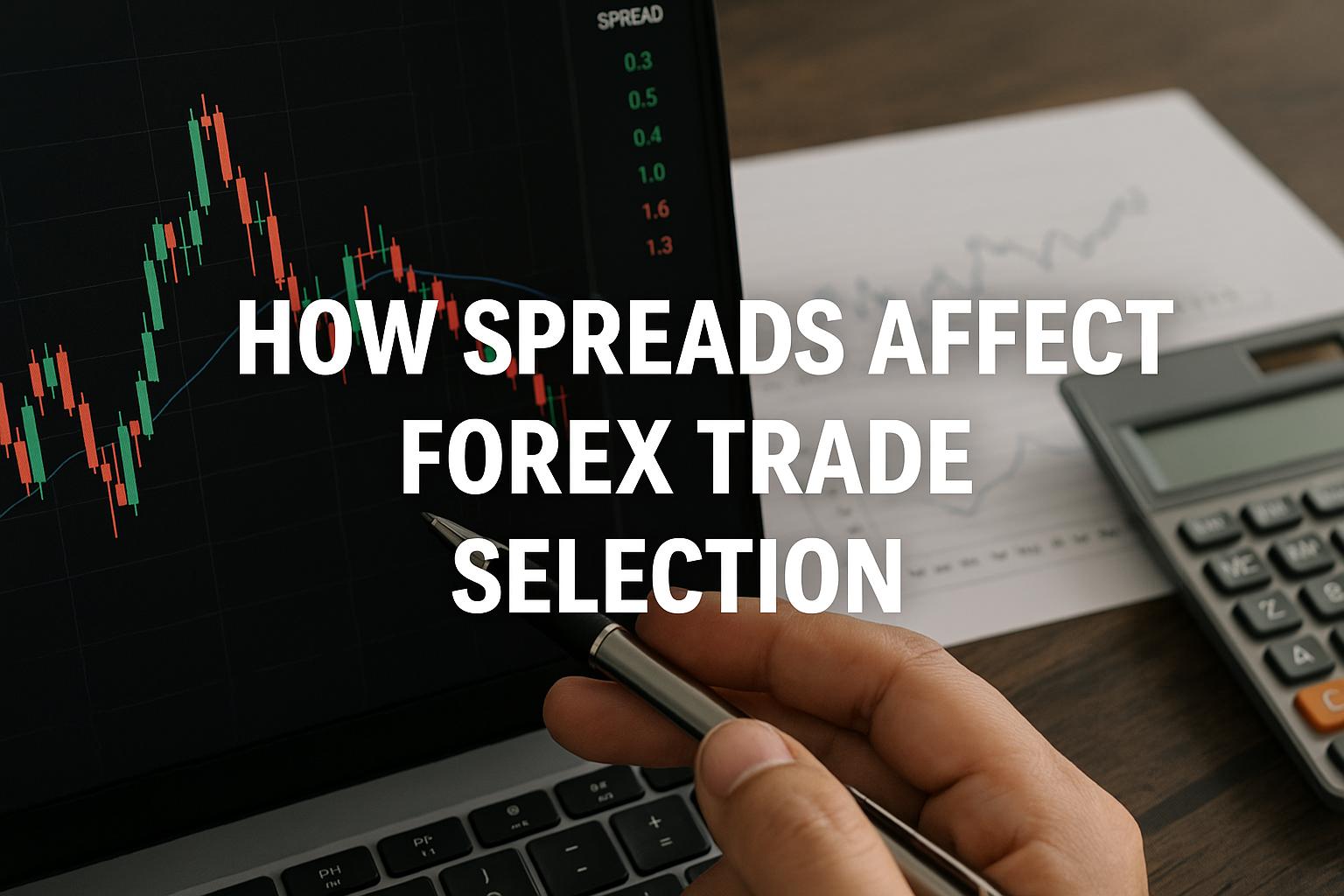
The bid-ask spread is a critical concept in forex trading, defined as the difference between the bid and ask prices. This spread serves as an indicator of market liquidity and trading costs, which are essential metrics for traders. A narrow spread often suggests a high level of market liquidity and lower transaction costs, making trading more efficient and potentially profitable. In contrast, a wider spread implies lower liquidity, coupled with higher trading costs, necessitating more cautious trading strategies.
Exploring the implications of a narrow or wide bid-ask spread can assist traders in optimizing their trading approaches. For example, during times of high liquidity, executing trades can be more straightforward and cost-effective due to the competitive spread. Alternatively, in periods of low liquidity, traders might need to implement strategies that account for potentially higher costs or wait for more favorable trading conditions.
Factors Affecting Bid and Ask Prices
Various determinants can influence bid and ask prices in the forex market. Such factors are crucial to understanding the nuanced changes in these prices.
– Market Volatility: During periods of high volatility, spreads can widen significantly as a result of market uncertainty. This can create both opportunities and risks for traders as price fluctuations can be rapid and unpredictable.
– Currency Pair Liquidity: The liquidity of a currency pair plays a significant role in defining its bid-ask spread. Major currency pairs, characterized by higher trading volumes, typically exhibit tighter spreads, leading to lower trading costs. Conversely, exotic currency pairs, which are less frequently traded, often face wider spreads due to their lower liquidity.
– Economic Events: Announcements such as GDP reports, employment figures, or policy statements can result in sudden changes in bid and ask prices. Traders should be vigilant about such events, as they can create opportunities for profitable trades but also increase risk levels.
– Time of Day: Spreads can vary depending on the trading session. During major market hours, such as the overlap between the London and New York sessions, spreads tend to be narrower due to elevated trading activities. Meanwhile, during off-peak hours, spreads might widen significantly.
Conclusion
In summary, understanding bid and ask prices is of paramount importance for anyone engaging in forex trading. These prices not only help in determining entry and exit points for trades but also serve as a metric to assess market liquidity and potential transaction costs. By gaining a solid grasp of these fundamental concepts, traders can more effectively navigate the complexities of the forex market, leading to the development and implementation of astute trading strategies. For traders seeking further insights on forex trading strategies and technical analysis techniques, exploring additional resources can be an invaluable step forward in their trading journey.