Understanding Forex Pair Volatility
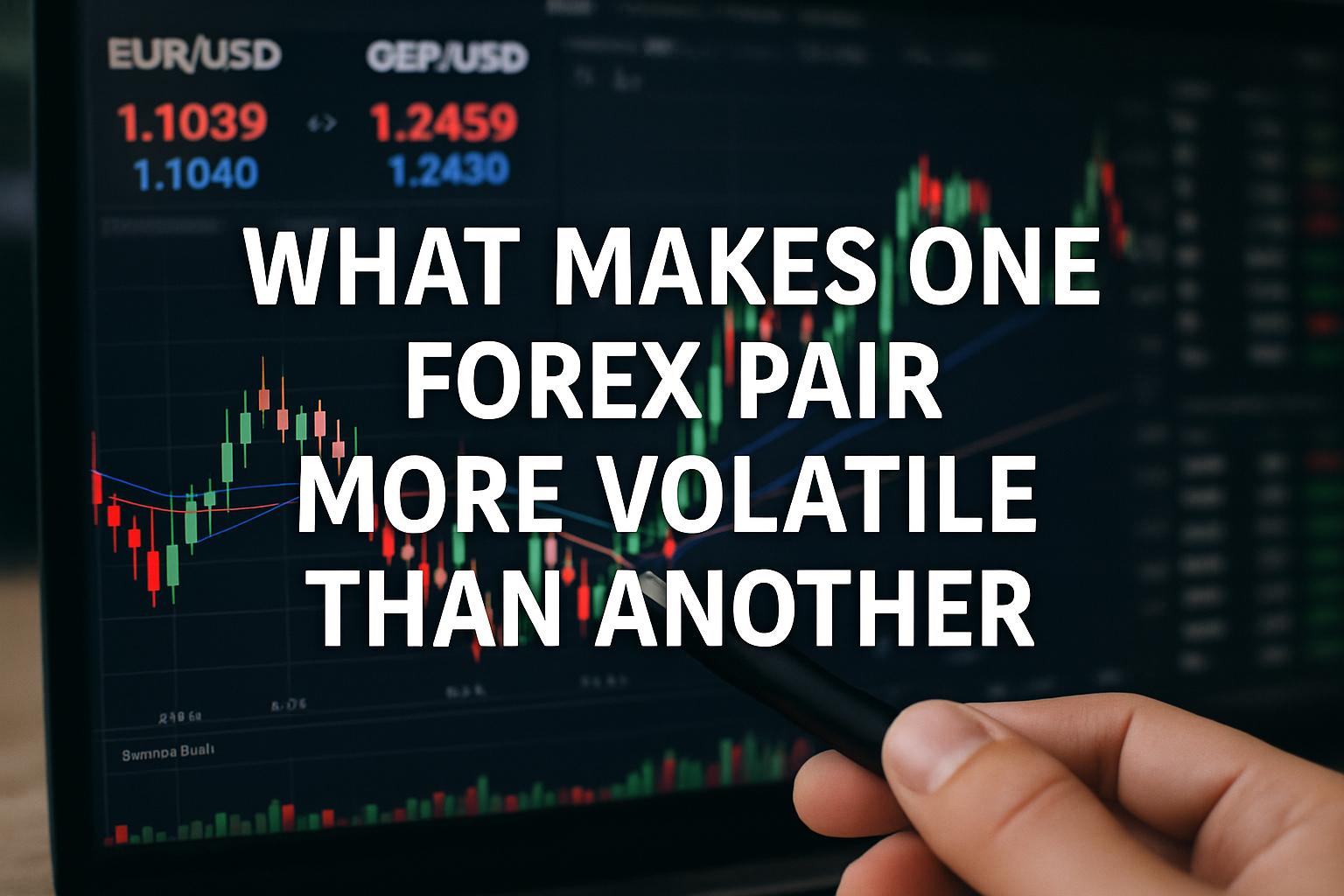
Volatility in forex pairs is a fundamental concept that traders need to understand to navigate the foreign exchange market effectively. It refers to the degree of variation in the price of a currency pair over time. A higher volatility indicates frequent and significant price changes, which can present both opportunities for profit and a risk of loss.
Factors Influencing Volatility
Several elements play a critical role in influencing the volatility of a forex pair. Understanding these factors can help traders anticipate changes and make informed decisions.
Economic Data and Events
Economic indicators hold significant sway over currency values. Regularly released reports, such as Gross Domestic Product (GDP), employment statistics, and inflation rates, provide insight into a country’s economic health. Positive economic data typically strengthens a currency as it suggests economic growth, while negative data might lead to depreciation. For example, an unexpected rise in unemployment could lower investor confidence, resulting in a weakened currency.
Countries that frequently release high-impact economic data often see more volatile currency movements. Moreover, unexpected events, such as geopolitical tensions, elections, or natural disasters, can cause sudden and significant price fluctuations. These events tend to catch traders off guard, leading to frantic buying or selling as they adjust their positions based on new information.
Central Bank Policies
Central banks exert a considerable influence on currency value through their monetary policies. Decisions regarding interest rates, quantitative easing programs, and other monetary tools affect how a currency is priced. When a central bank raises interest rates, it often leads to a stronger currency because higher rates attract foreign capital seeking better returns. Conversely, a rate cut can lead to a weaker currency.
Moreover, even hints of future policy changes can lead to increased market movement as traders attempt to anticipate the effects of such shifts. Currencies from countries where central banks are actively adjusting policies, or where there are significant differences in interest rates, tend to display higher volatility. Thus, traders keenly watch central bank meetings and announcements for clues about the future direction of monetary policy.
Market Sentiment and Speculation
Market sentiment reflects the collective attitude of traders and investors toward the market or an individual currency. It is influenced by a range of factors, including news events and market trends, and can drive the perceived value of a currency. When market sentiment shifts, it can lead to rapid changes in currency values.
Speculative trading plays a significant role in this process. Speculators often react to news with quick trading actions, spurring rapid buying or selling that results in sharp price movements. Currencies frequently targeted by speculative trades, such as the GBP/USD and USD/JPY, are typically more volatile.
Liquidity Levels
Liquidity pertains to the ease with which an asset can be bought or sold without causing a significant impact on its price. Major currency pairs, such as the EUR/USD, tend to have high liquidity due to their widespread trading volumes. This high liquidity generally results in lower volatility, as large trades have less impact on the overall market.
In contrast, currency pairs involving less frequently traded or exotic currencies often encounter lower liquidity. This diminished liquidity can lead to higher volatility because even relatively small trades can cause substantial price changes. Traders must be cautious when dealing with these pairs as price movements can be sudden and pronounced.
Strategies for Managing Forex Volatility
To successfully navigate forex pair volatility, traders need to adopt strategies that allow them to manage risks effectively and capitalize on potential gains:
1. Conduct Thorough Analysis: Engage in both fundamental and technical analysis to gather insights into factors affecting currency movements.
2. Use Stop-Loss Orders: Protect against adverse price movements by setting pre-defined exit points.
3. Diversify Trades: Avoid overexposure by placing trades across multiple currency pairs.
4. Stay Informed: Keep abreast of economic events, central bank announcements, and geopolitical developments to anticipate market changes.
By understanding the factors influencing forex volatility and employing strategic trading approaches, traders can better manage risks and potentially capitalize on rapid market movements. For more detailed insights into trading strategies that can cope with forex volatility, you can visit this resource.