How to know if a forex setup has any real edge

How to know if a forex setup has any real edge

Understanding Forex Setups and Their Edge

In the world of forex trading, recognizing a setup with a genuine edge can make all the difference between consistent profits and ongoing losses. This article will guide you through the fundamental aspects of identifying whether a forex setup has a real edge.

Definition of an Edge

An edge in forex trading refers to a statistically proven advantage that increases the odds of a trade working in a trader’s favor. It’s essential to distinguish between perceived edges, which might appear valuable on the surface, and genuine edges backed by data and consistent performance over time.

Testing a Trading Setup

Before employing a new trading setup, subject it to rigorous testing. This involves historical data testing, commonly known as backtesting. Backtesting involves applying your setup to historical market data to see how it would have performed.

Historical Data Collection: Data collection is a fundamental starting point. You need to gather relevant historical market data that aligns with your chosen trading timeframe. This data serves as the foundation for replicating market scenarios under which your setup will be tested. It’s crucial to ensure the collected data is accurate and representative of typical market conditions over an extended period.

Backtesting: Using the collected historical data, traders can simulate trades based on their setup’s rules. Many platforms provide automated tools to streamline this process, allowing for a more thorough examination. The goal is to identify patterns and recurring opportunities where the setup may have offered profitable results.

Evaluate Performance: After completing the backtesting process, evaluate the strategy’s performance by analyzing key performance indicators (KPIs). These metrics include the win rate, which shows the frequency of successful trades, the average profit for trades executed, the risk-reward ratio, etc. Compare these metrics with a baseline, such as a buy-and-hold strategy, to determine if your setup provides a genuine advantage. Interpretation of these results is crucial, as it guides future adjustments and refinements.

Forward Testing

Once a setup has shown promise in backtesting, the next step is forward testing, often referred to as paper trading. This phase involves executing trades in a simulated or live environment without risking real money. Forward testing bridges the gap between theoretical analysis and actual market conditions. It provides insights into how the setup performs in real-time, accounting for elements like slippage—where the execution price differs from expected—and the demands of real-time decision-making. This phase allows traders to adapt their strategies further based on current market behavior, enhancing the setup’s robustness.

Key Indicators of Edge in Forex Setup

Beyond the quantitative testing approaches, there are several qualitative factors to consider, indicating a genuine edge within your forex setup:

Robust Risk Management: A critical indicator of a potentially successful setup is a well-structured risk management plan. Such strategies include setting stop-loss orders to minimize losses, identifying risk-reward ratios that justify taking trades, and calculating position sizing based on account size and risk tolerance. Protecting your capital ensures sustainability, which is vital when navigating the inevitable ups and downs in trading.

Adaptability: Market conditions are dynamic and constantly evolving. A robust setup should be adaptable to various market environments, such as trending or ranging markets. An adaptable setup can adjust to changes, providing opportunities and staying relevant in different scenarios. Regularly updating the elements of your setup ensures it remains effective despite fluctuations in market conditions.

Consistency Across Markets: For a setup to demonstrate a true edge, it should consistently show favorable results across different currency pairs and time frames. Consistency is a sign that the setup is not overly reliant on specific market conditions or restricted to certain periods, providing more reliability in its application.

Objective Rules: Ensure that entry and exit rules are clearly defined and can be objectively applied without subjective interpretation. Objectivity minimizes emotional decision-making, a common pitfall in trading that undermines the potential edge a setup might possess. Concrete rules contribute to systematic execution, leading to more disciplined trading behavior.

Continuous Improvement and Monitoring

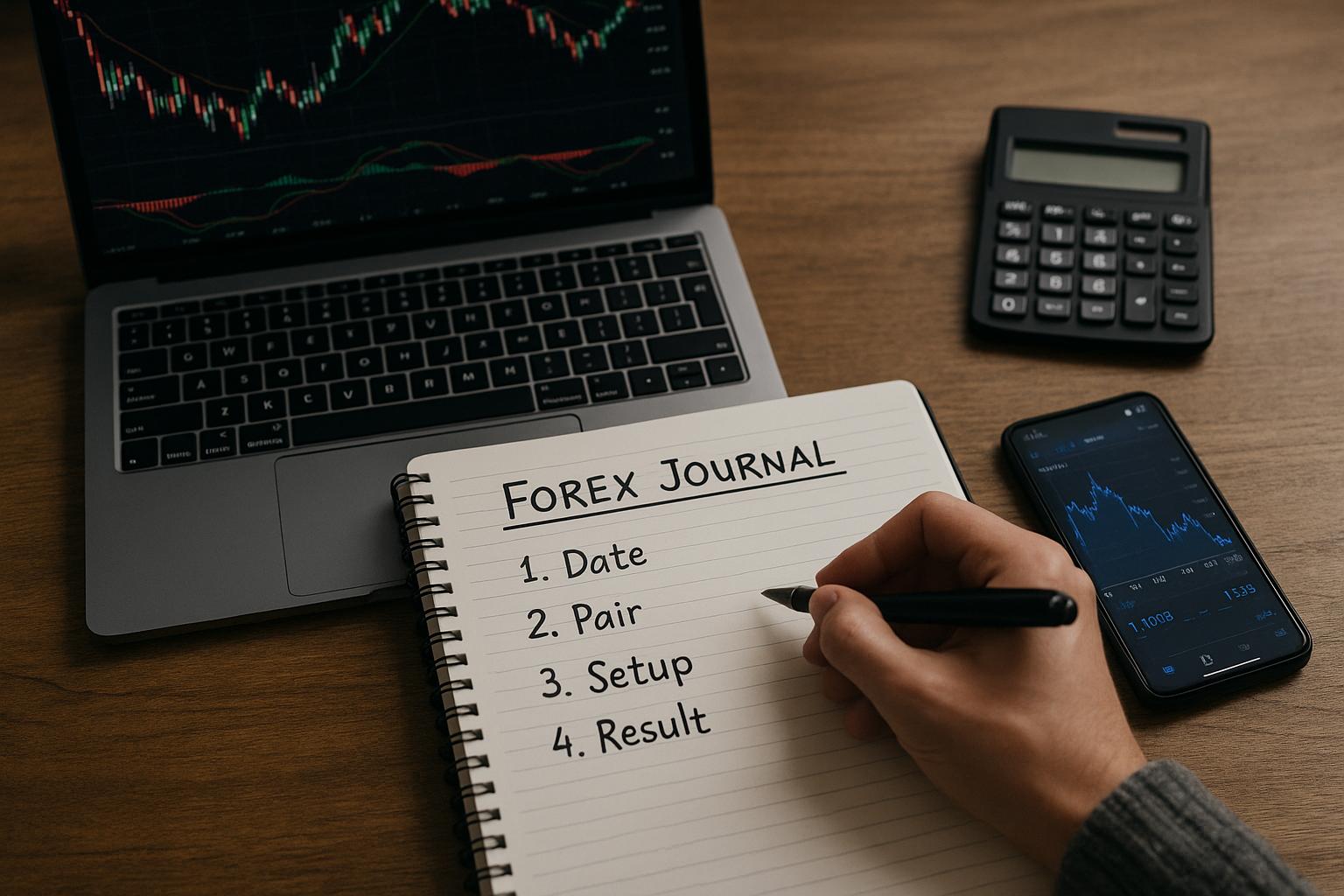
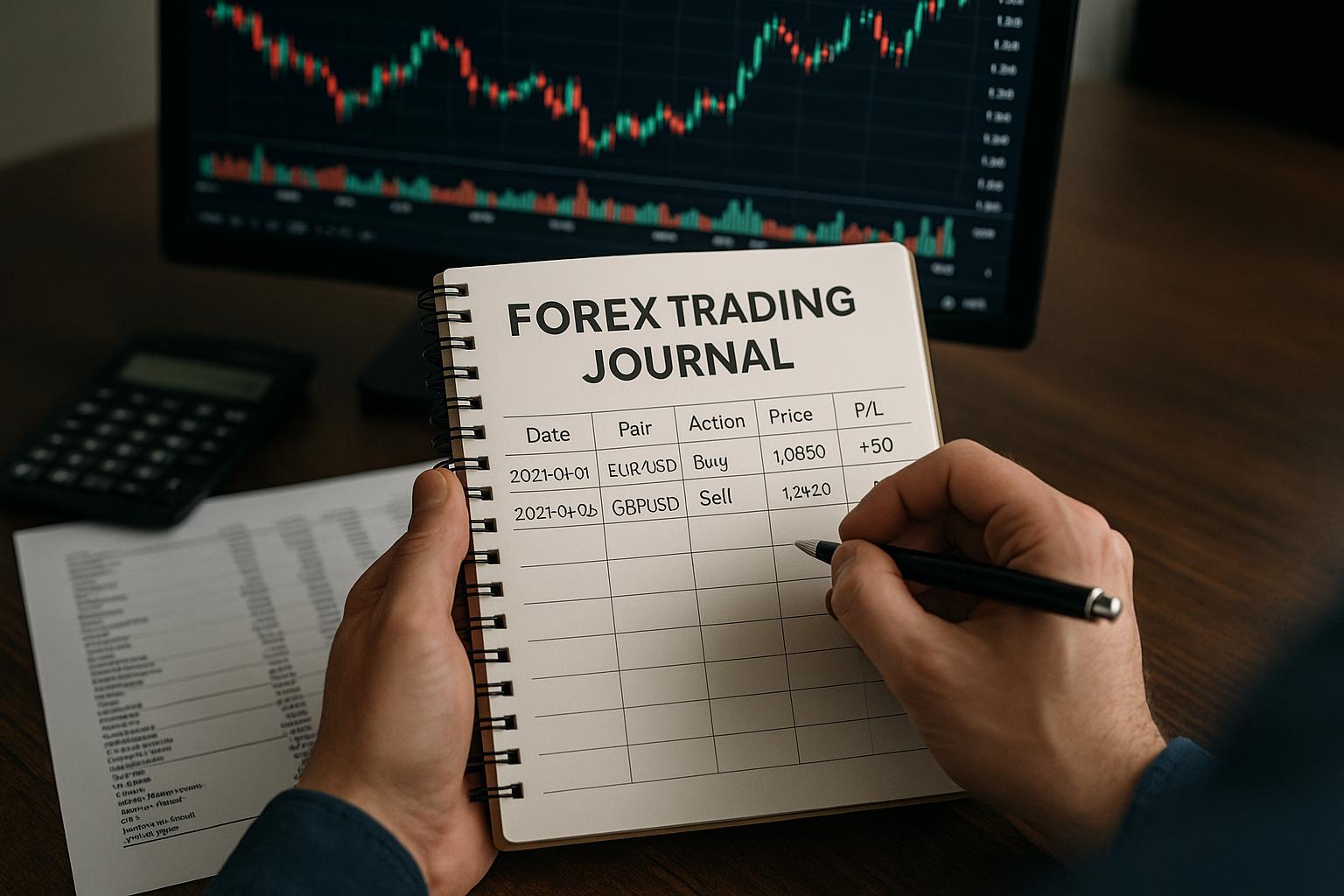
An edge in trading is not a static asset. It requires ongoing evaluation and refinement to maintain its effectiveness. Regularly review your setups, leveraging trading journals to document performance and gather insights for future improvements. The journaling process provides a clear record of your trading journey, highlighting recurring patterns and areas for enhancement over time.

Engagement with trading communities or professional analysts is advisable for broadening your perspective and exposing potential blind spots in your setups. Collaboration allows you to exchange knowledge and techniques, enhancing the depth and breath of your forex trading approach. Such interactions can lead to uncovering overlooked aspects of your setup, ushering in new levels of strategic refinement.

Conclusion

Identifying a forex setup with a true edge requires diligent analysis and testing. By employing both backtesting and forward testing, understanding key indicators, and committing to continuous improvement, traders enhance their potential for long-term success in the highly competitive forex market. Always maintain a critical eye and be willing to adapt as new data and insights emerge.

As markets evolve, fostering an environment of learning and adaptation will keep your strategies relevant. Emphasize logic over emotion and discipline over speculation to stand the test of time within the dynamic forex trading arena. Seek a balance between the current execution of strategies and the ongoing exploration of market behaviors to nurture a sustainable and profitable trading career.

How to test a forex trading idea properly

How to test a forex trading idea properly

The Importance of Testing Forex Trading Ideas

In the world of forex trading, the successful implementation of any trading strategy is highly dependent on thorough testing and validation. This proactive approach is critical in ensuring that any potential trading idea is not only theoretically sound but also practically viable in real market environments. Testing reduces the inherent risk of trading in complex markets and fosters the development of robust trading strategies.

The Role of Backtesting in Strategy Development

Backtesting serves as the cornerstone of any new trading strategy’s validation process. It encompasses the application of the trading idea on historical market data, thus allowing traders to assess the potential efficiency and reliability of their strategies under past market conditions.

Significance of Choosing Quality Historical Data

When undertaking backtesting, selecting the appropriate historical data is of paramount importance. The data selection process should be aligned with the specific currency pairs and the timeframes envisaged for trading. High-quality data is a necessity since any inaccuracies or incompleteness can lead to misleading backtesting results, compromising the entire process. Fortunately, many forex brokers and trading platforms offer traders access to reliable historical data, like OANDA.

Systematic Strategy Implementation

Success in backtesting relies heavily on the development and implementation of clear, predefined trading rules. These rules encompass the entry and exit points of trades, the application of risk management techniques, and conditions that might indicate shifts in market behavior. A systematic approach ensures consistency in strategy application, providing clarity in performance evaluation.

Performance Analysis of Backtest Outcomes

Post-backtesting, the resulting data must be meticulously analyzed to extract valuable insights into the strategy’s potential. Key performance metrics to consider include return on investment (ROI), win/loss ratio, drawdown levels, and the risk-to-reward ratio. These metrics offer a quantitative basis for assessing the strategy’s strengths and potential weaknesses, directing further refinements.

Forward Testing for Real-Market Simulation

Following backtesting, forward testing—or paper trading—emerges as the next essential phase. Unlike backtesting, which applies historical data, forward testing involves real-time market simulations without the financial risk. This step is crucial for observing the strategy’s effectiveness under current and evolving market conditions.

Choice of a Reliable Trading Platform

To facilitate successful forward testing, selecting a reliable trading platform with a robust demo account is vital. Platforms such as MetaTrader 4 and TradingView are favored by traders for their user-friendly interfaces and feature-rich environments. These platforms provide a seamless transition from backtesting to forward testing, ensuring consistency and accuracy.

Continuous Strategy Monitoring and Adjustment

Within the forward testing phase, continuous monitoring of the strategy’s performance in real-time market conditions is essential. This stage necessitates careful observation of market changes and unforeseen behaviors, prompting timely adjustments to the trading strategy. Such dynamic tuning improves the strategy’s adaptability, enhancing its responsiveness to live market environments.

Comprehensive Evaluation of Trading Strategy Efficacy

An in-depth evaluation, combining insights from both backtesting and forward testing, is pivotal. The primary aim is to ascertain whether the proposed trading idea fulfills predefined criteria for profitability and consistency while effectively managing risk. This comprehensive review allows for the identification of critical areas requiring further refinement.

Refinement and Continuous Improvement

Strategy refinement is an iterative process, and ongoing adjustments based on testing results are necessary to adapt to fluctuating market dynamics. By incorporating feedback from testing phases, traders ensure that their strategies remain robust, flexible, and aligned with overall trading objectives. This cyclical improvement process is key to sustainable success in forex trading.

Conclusion

In conclusion, the rigorous testing of forex trading ideas is an indispensable component of effective strategy development. By systematically engaging in backtesting with quality historical data and transitioning to forward testing in simulated environments, traders secure insights into strategy performance. Evaluating outcomes and refining strategies lead to a thorough understanding, proper risk management, and increased likelihood of long-term success. Such diligence cultivates a comprehensive trading framework that anticipates market movements, enhances decision-making, and ultimately contributes to achieving sustainable profitability in the competitive realm of forex trading.

What expectancy means in forex trading

What expectancy means in forex trading

Understanding Expectancy in Forex Trading

In the realm of forex trading, the concept of expectancy plays a crucial role in shaping a trader’s strategy and overall approach to the market. Expectancy provides a statistical measure of a trading strategy’s potential to generate profits, setting a foundation for long-term success. By grasping what expectancy is and how it is calculated, traders can gain valuable insights into the effectiveness of their trading systems.

What is Expectancy in Forex Trading?

Expectancy refers to the average amount of money a trader can expect to win or lose per trade, based on historical performance. It serves as an objective measure to evaluate the potential profitability of a trading strategy. By assessing expectancy, traders determine whether their trading approach is likely to be profitable over time.

Components of Expectancy

To calculate expectancy, traders need to consider three main components:

Win Ratio: This is the percentage of winning trades out of the total number of trades executed. It provides insight into how often a strategy leads to winning outcomes.

Average Win: This represents the average amount gained from winning trades. It is important to ensure that winning trades are sufficiently profitable to offset any losses incurred from losing trades.

Average Loss: This reflects the average amount lost from losing trades. Minimizing this value is crucial to maintaining a trading strategy that can withstand inevitable losses.

Combining these components allows traders to compute expectancy and make data-driven decisions about the viability of their trading strategy.

Calculating Expectancy

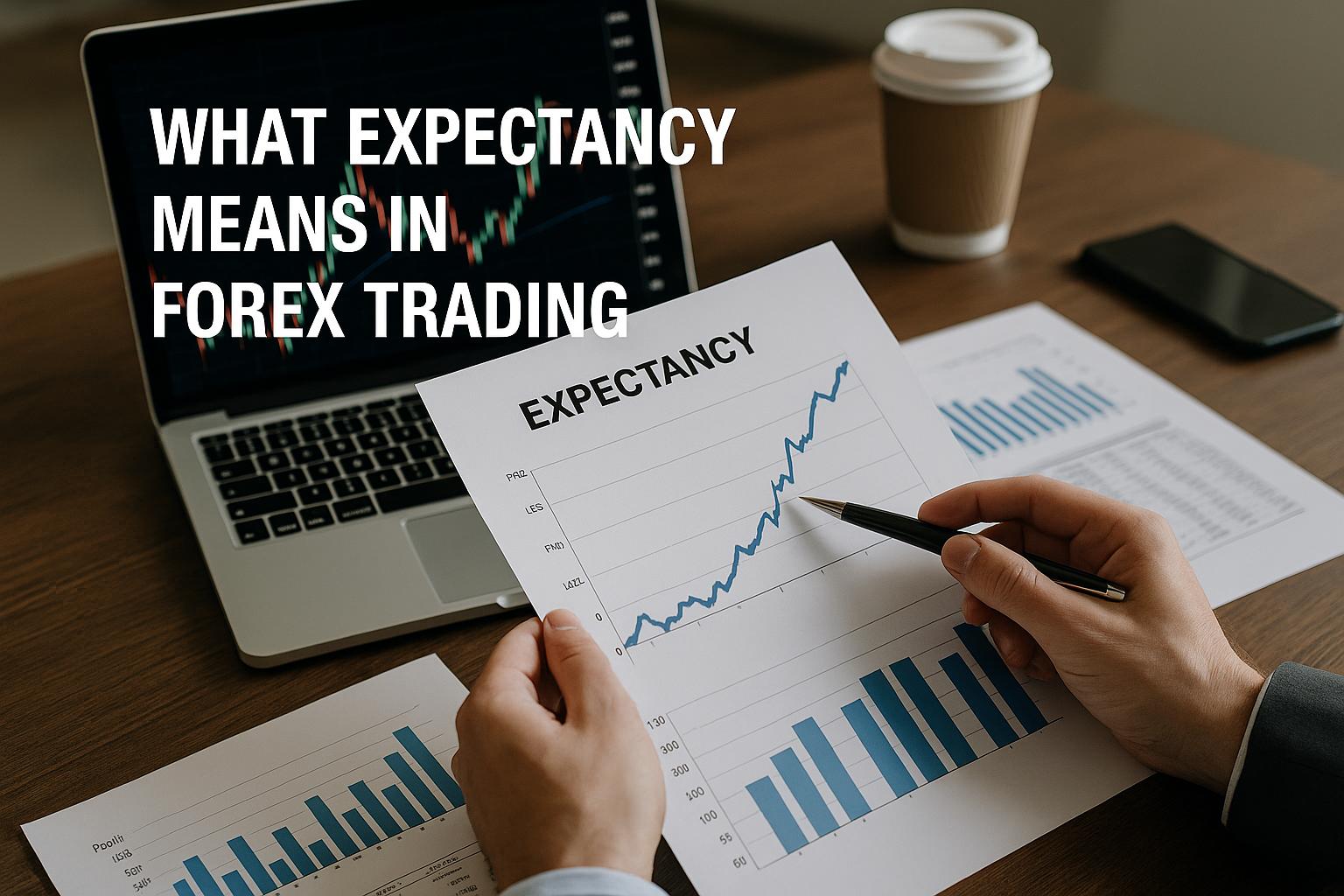
The formula for calculating expectancy is as follows:

Expectancy = (Win Ratio * Average Win) - ((1 - Win Ratio) * Average Loss)

This equation quantifies the potential profitability, factoring in both the probability of winning and the potential risk associated with losing trades. A positive expectancy indicates that the trading strategy is likely to be profitable over the long term, while a negative expectancy suggests a need for adjustments or reevaluation.

Importance of Positive Expectancy

A trading strategy with a positive expectancy is paramount for sustainable success in forex trading. Traders should consistently aim to enhance their strategies by either increasing the win ratio, maximizing average wins, or minimizing average losses. By doing so, they can improve the overall expectancy of their system.

Analyzing Expectancy in Practice

Understanding and using expectancy requires access to reliable trading data. Trade logs and historical performance records are instrumental in calculating accurate metrics. It’s essential for traders to regularly update these records to reflect the most current outcomes for precise expectancy calculations.

Continuous Monitoring: Traders should habitually assess expectancy as part of their strategy review processes. Even small shifts in market conditions or execution tactics can alter expectancy, making periodic evaluation critical.

Adjustments and Strategy Enhancements: In situations where expectancy is negative or only marginally positive, adjustments are necessary. This may involve fine-tuning entry and exit points, re-evaluating risk management protocols, or even overhauling the entire strategy.

Common Misconceptions About Expectancy

Despite its importance, expectancy is often misunderstood among traders. A common fallacy is equating high win ratios alone with a successful strategy. While a high win ratio can be indicative of a good strategy, it does not guarantee profitability if the average wins are too small or average losses are too large.

Another misconception is disregarding losses as merely part of the trading journey. While it’s true that losses are inevitable, their magnitude and frequency have a direct impact on expectancy and overall profitability.

Risk Management and Expectancy

Expectancy is tightly linked to risk management. Each trade carries inherent risks, and traders must decide on acceptable levels of risk vs. potential reward. By aligning risk management strategies with positive expectancy, traders ensure that their exposure to losses is controlled while still allowing the opportunity for gains.

Emphasizing Education and Analytical Skills

Forex trading is not just about executing trades, but understanding the underlying principles that can lead to success. Education and continuous learning are crucial in developing a trader’s ability to analyze data and determine conduct based on expectancy.

Using Technology: Many traders benefit from technology and trading platforms that provide analytical insights into expectancy. These tools often come equipped with calculators and analytics to easily determine expectancy and highlight areas for improvement.

Developing Skills: As the market evolves, so should a trader’s skills. Workshops, courses, and seminars can enhance a trader’s understanding of expectancy and its critical components.

Moving Forward with Expectancy

The dynamic nature of forex trading demands a flexible approach paired with robust analytical methods. By placing a strong emphasis on expectancy, traders can cultivate strategies that withstand market fluctuations.

Traders aspiring for long-term profitability should not only understand when to enter or exit trades based on trends but also how each trade aligns with the broader expectancy calculations. This strategic insight ultimately sets apart successful traders from those who trade without a clear, data-supported plan.

In conclusion, understanding and calculating expectancy is vital for forex traders aiming for long-term profitability. By focusing on statistical evaluation rather than emotional judgment, traders can fine-tune their strategies to align with positive expectancy outcomes. Regular reassessment and proactive adjustments ensure that a trading strategy remains relevant and effective. For more insights on forex trading strategies and expectations, consider exploring additional resources and expert analyses through trusted financial platforms and forums.

Why win rate can fool forex traders

Why win rate can fool forex traders

Understanding Win Rate in Forex Trading

In the intricate world of forex trading, many traders are inclined to place significant emphasis on their win rate, given that it denotes the percentage of trades that culminate in a profit. On the surface, a higher win rate might appear to be an unambiguous indicator of success. However, the reality is that the win rate can sometimes present a deceptive portrayal of a trader’s genuine performance, requiring a deeper analysis to truly ascertain its implications.

The Misinterpretation of Win Rate

A prevalent misbelief among traders is that a high win rate is a direct reflection of a profitable trading strategy. While a high win rate might initially point to successful trade executions, it fails to consider crucial factors such as the comparative size of profits relative to losses. A trader may exhibit a high win rate but remain unprofitable if their losing trades are significantly larger than their winning ones. This scenario often depicts a skewed picture where the frequency of wins is mistakenly equated with financial success, underscoring the importance of a comprehensive approach in assessing trading efficacy.

Importance of Risk-Reward Ratio

A critical component that is often overlooked in the trading landscape is the risk-reward ratio. This metric offers valuable insights into the potential reward for each dollar risked on a trade, serving as a guiding principle for assessing the long-term viability of trading strategies. Consider a trader with a win rate of 60% operating with a risk-reward ratio of 1:3. Under these conditions, even if 40% of their trades incur losses, the 60% winning trades may still yield a net profit due to the significantly higher rewards compared to the risks. This example emphasizes how the balance between risk and potential return is often more telling of a trader’s success than win rate alone.

Example Scenarios

Exploring real-world scenarios can illuminate the complex dynamics between win rates and profitability. For instance, envisage a trader with a striking 90% win rate. While this figure appears commendable at first glance, if each winning trade is characterized by meager gains and the sporadic losses are considerably larger, the trader might ultimately experience an overall financial loss. Conversely, envision another trader with a 50% win rate but an advantageous risk-reward ratio. This trader could potentially achieve greater profitability over time due to the strategic balance of their trades, underscoring the essential role that the risk-reward dynamic plays in determining financial outcomes.

Psychological Impact

The fixation on win rate can also bear significant psychological consequences for traders. An obsession with maintaining a high win rate may lead traders to fear assuming necessary risks or might compel them to hold onto losing trades for extended durations, hoping for a reversal merely to uphold their high percentage of winning trades. Such behavior can hinder capital growth, as traders might make emotionally driven decisions rather than strategic ones, ultimately compromising their overall trading performance and potential for long-term success.

Evaluating a Trading Strategy

When evaluating a trading strategy, it is imperative to delve beyond the surface-level metrics such as win rate to obtain a holistic understanding. Traders should consider additional factors, including the average size of wins and losses, the risk-reward ratio, and the overall profitability of the strategy. These elements offer a more rounded perspective on the potential efficacy and sustainability of a trading approach. A thorough evaluation that encompasses these metrics can more accurately reflect the realistic potential for sustained success in the competitive forex trading arena.

Conclusion

In the final analysis, while the win rate is undoubtedly an important metric, it should not be viewed as the singular indicator of a successful strategy within the realm of forex trading. Traders are enjoined to take into account a multitude of facets that collectively contribute to their trading success. For those seeking deeper insights and strategic acumen in their trading practices, a wealth of resources and expert analyses are readily available online. The exploration of dependable trading platforms and dialogues with seasoned traders can furnish richer, strategic depth and understanding. It is prudent to explore and integrate additional beneficial metrics that collectively contribute to trading success, ensuring a balanced and informed approach to the evolving dynamics of forex trading.

How to measure progress in forex trading beyond profit

How to measure progress in forex trading beyond profit

Introduction

Forex trading is undoubtedly recognized as one of the avenues for achieving profitability in financial markets. However, evaluating progress solely on the basis of profit can be deceptive. Many traders might assume that increasing profit margins directly translate to success, but this isn’t always the case. Numerous other metrics and factors play a critical role in gauging a trader’s journey. Recognizing these non-monetary indicators not only aids traders in assessing their true progress but also helps in honing their trading skills effectively. This article delves into these multifaceted aspects of forex trading that go beyond mere financial gain.

Trading Strategy Development

The cornerstone of progress in forex trading lies in the development and refinement of a reliable and effective trading strategy. As traders gain more exposure to market dynamics, they learn the importance of tailoring their strategies to better align with their specific risk tolerance levels, prevailing market conditions, and their unique trading styles. Fine-tuning a trading strategy often involves a process known as backtesting. This process allows traders to apply historical data to simulate how their strategies would perform in various scenarios. By conducting backtests, traders gain vital insights into the strengths and weaknesses of their strategies. Adjustments can then be made to ensure strategies are robust and adaptable. Leveraging platforms offering comprehensive historical data can significantly enhance the proficiency with which traders backtest and refine their methodologies.

Risk Management Improvement

Another critical metric for measuring progress in forex trading is effective risk management. Understanding and implementing risk management techniques is crucial for sustaining growth in this volatile market. Central to this approach is setting appropriate stop-loss levels, a technique that allows traders to cap potential losses and safeguard their capital. Additionally, traders should limit their use of leverage—a practice of borrowing funds to amplify potential returns—since it can also increase risk. Furthermore, diversifying trades to mitigate exposure to market volatility is essential. As they advance in their trading journey, traders should work toward developing a comprehensive risk management plan. Such a plan should be designed to minimize potential losses while permitting consistent growth over time.

Consistency and Discipline

Consistency in trading behavior is a tell-tale indicator of a trader’s maturation and growth in the forex market. This involves adhering steadfastly to a well-crafted trading plan and avoiding impulsive decisions driven by emotions or external influences. Tracking progress can involve detailed analysis of how often traders stick to their predetermined strategies and how frequently they succumb to emotion-driven trades. Consistency reflects a trader’s ability to remain disciplined and make informed decisions that are in line with their long-term goals.

Learning and Adaptability

Staying informed and being agile in adapting to evolving market conditions are essential components of lasting success in the forex market. Traders should engage proactively with financial news, market analyses, and educational resources to maintain an up-to-date knowledge base. The willingness to adapt strategies in response to shifts in the market is an indication of a trader’s maturity and progress. Adjustments may range from modifying entry and exit criteria to redefining risk parameters or incorporating new analytical tools. Adapting strategies effectively ensures that traders remain competitive and can respond appropriately to market volatility.

Trade Journaling

A practice employed by many seasoned traders is maintaining a trade journal, wherein they meticulously document each trade they undertake, including the rationale behind it and the resulting outcome. Maintaining such records offers traders opportunities for deep reflection on their decision-making processes, enabling them to identify both positive and negative patterns in their trading behavior. An analysis of these journal entries can spotlight a trader’s strengths and weaknesses, providing invaluable insights for ongoing development and improvement.

Psychological Mastery

The psychological dimension of trading often gets sidelined, yet it is paramount in appreciating a trader’s progress. Forex markets are inherently unpredictable and can trigger emotional responses—both during winning and losing streaks. Cultivating emotional resilience and maintaining a balanced mental state in these situations are critical aspects of a trader’s growth journey. Employing techniques like mindfulness can aid traders in becoming more aware of their emotions and better at managing them. Additionally, engaging with forex trading communities to share experiences and draw support can bolster psychological resilience.

Conclusion

Assessing progress in forex trading encompasses far more than basic profit evaluations. By taking a holistic view that includes strategy development, risk management, consistency, learning, and psychological discipline, traders can achieve a comprehensive understanding of their growth. Each of these elements contributes fundamentally to a trader’s long-term success and enhances their ability to navigate the multifaceted challenges presented by the forex market. Traders aspiring for deeper insights and continuous learning might consider delving into educational platforms and forums dedicated to forex trading for further resources.

What to track in a forex journal

What to track in a forex journal

The Importance of a Forex Journal

Keeping a forex journal is crucial for traders looking to enhance their strategies and achieve consistent profitability. A well-maintained journal serves as a valuable tool that allows traders to meticulously analyze past trades, gain insights into their decision-making processes, and learn from both the successes and failures they’ve encountered. The act of keeping a detailed record of trades helps traders to understand their strengths and weaknesses, paving the way for gradual improvement and informed decision-making in future trades.

Trades and Outcomes

One of the fundamental components of a forex journal is the documentation of each trade. This involves recording a comprehensive set of details for every trade executed, which include key elements such as the choice of currency pair, the direction of the position (whether it was long or short), as well as the specific entry and exit points of the trade. Additionally, documenting the position size, which pertains to the amount of currency traded, alongside the duration that the trade was held open, provides a clearer picture of the trade dynamics. Furthermore, logging the profit or loss incurred from the trade aids in assessing overall trading performance.

Rationale and Strategy

Documenting the reasons behind each trade is another critical aspect of maintaining a forex journal. This involves capturing the traders’ underlying rationale and the strategy employed, which forms the basis for the trade decision. Technical analysis plays a pivotal role here, as traders need to jot down any technical indicators or patterns that influenced their decision to enter the trade. On the other hand, fundamental analysis, which involves assessing economic news and events, is equally important to understand how external factors may have impacted the decision. Overall, outlining the specific trading strategy or system that governed the execution of the trade assists in evaluating its effectiveness.

Emotional and Psychological Aspects

Trading in the forex market is not solely about the numbers on the screen; it involves a significant psychological component. Therefore, tracking emotional and psychological factors during trading is essential. By noting the emotions experienced during trades, traders can identify recurring issues and psychological patterns that might influence their trading decisions. For example, documenting confidence levels when entering a trade can provide insights into whether a trade was conducted with certainty or doubt. Similarly, capturing emotional states such as fear, greed, or stress can help in understanding how these feelings may have influenced trading actions. Reflecting on any emotional factors impacting trade decisions can lead to better emotional regulation strategies over time.

Performance Metrics

Regularly reviewing performance metrics is an integral part of understanding long-term trading success. Key metrics to track include the win rate, which indicates the percentage of trades that were profitable. Understanding this metric helps traders in identifying the success rate of their strategies. Additionally, the risk-reward ratio measures the level of risk undertaken to achieve a specific reward, thus serving as a vital metric in risk management. Another critical metric is the drawdown, which represents the reduction from a trading account’s peak balance to its lowest point, helping traders assess the volatility and resilience of their trading strategy.

Continuous Improvement

The ultimate goal of maintaining a forex journal is to facilitate continuous improvement in trading. By revisiting past trades and entries in the journal, traders can identify patterns of behavior and decision-making that need adjustment. This reflective practice enables traders to adjust their strategies, refine their approaches, and focus on minimizing losses while maximizing profitability. Continuous learning and adaptation are key components for anyone seeking to become a successful forex trader, and a forex journal is an indispensable tool in this ongoing journey. Consequently, traders are encouraged to utilize their journal as a feedback mechanism to make informed changes in their trading methodology and approach.

For those interested in delving deeper into the nuances of trading strategies and the maintenance of a forex journal, engaging with reputable financial education websites or participating in trading communities can be advantageous. These resources offer valuable insights and perspectives from experienced traders, further enriching one’s understanding and proficiency in the field of forex trading.

How to keep a forex trading journal that actually helps

How to keep a forex trading journal that actually helps

Understanding the Importance of a Forex Trading Journal

In the realm of forex trading, maintaining a trading journal is essential for assessing trading performance and making informed decisions. A trading journal provides a structured way to document trades, analyze outcomes, and refine strategies.

Forex trading involves a complex landscape where currencies fluctuate in value in response to various factors such as economic news, geopolitical events, and market sentiment. In such a dynamic environment, a well-maintained trading journal becomes an indispensable tool for traders wanting to thrive.

Key Components of a Forex Trading Journal

A comprehensive trading journal typically incorporates several detailed elements. Each of these components serves a distinct purpose to aid in the analysis and decision-making processes critical to successful trading.

Date and Time: Record when each trade was executed. This is crucial as trades can be significantly influenced by specific market sessions, time zones, and even global economic events. Understanding what time active orders were placed helps traders correlate outcomes with broader market conditions.

Currency Pair: Specify the currency pairs traded. Different currency pairs behave uniquely, driven by factors such as interest rate differentials or political events in the countries involved. Tracking these specifics in a journal can help identify patterns and performance differences across various pairs, contributing to more strategic trading decisions.

Position Size: Document the size of the trade. Position sizing directly affects risk management and the potential for profits or losses. Thus, understanding how different position sizes perform under various conditions is critical to honing a personalized risk management strategy.

Entry and Exit Points: Note the exact entry and exit levels. Accurate documentation allows traders to evaluate the success rate of their predictions and make data-driven adjustments. Keeping track of these points is vital for reflection and analysis, leading to more precise future trade placements.

Trading Strategy: Describe the strategy applied. Defining the strategy provides a baseline for evaluating its effectiveness. For instance, a trader employing a trend-following strategy can use the journal to record how effective this has been in various market situations, thus refining their approach.

Results and Comments: Record the outcome of each trade along with any additional comments. This section is an opportunity to reflect not just on technical and fundamental factors, but also on emotional and psychological influences. Understanding how emotions such as fear or greed impact decisions can drive improvements in trading psychology.

The Role of Consistency in Journal Maintenance

Regularly updating the trading journal is paramount for gaining long-term insights. Consistency is key to tracking performance over time and eventually recognizing long-term trends and behavioral patterns. Establishing a routine—whether it is daily, weekly, or post a specific number of trades—ensures that the data remains relevant and useful.

Consistency in journaling helps prevent relying on selective memory, which can skew perceptions of past performance. A disciplined approach provides a comprehensive historical record, enabling traders to make more objective assessments and improvements.

Analyzing the Data for Continuous Improvement

Detailed analysis of journal entries is crucial for aspiring to improve trading skills continuously. By reviewing trades, traders can identify patterns, successful strategies, and recurring mistakes. This ongoing analysis serves as a feedback loop, highlighting what works and what doesn’t.

Traders benefit from not just recognizing areas that need adjustments but also from reinforcing effective practices. Armed with insights from their journal, they can adapt strategies and refine their approach to risk and reward management.

Using technologies like spreadsheet software or dedicated trading journal platforms can facilitate more efficient data organization and analysis. These tools often allow traders to visualize data through charts and graphs, aiding the interpretation of complex datasets. This visual representation can be instrumental in revealing insights that may not be immediately apparent through raw data alone.

Utilizing Technology for Enhanced Journal Management

Technology plays a significant role in optimizing the journaling process. Numerous forex trading platforms offer built-in journaling features that simplify data entry and analysis. Automated features within these platforms can capture trade data as a trader executes orders, reducing manual input and improving accuracy.

By employing such technology, traders can minimize human error, enhance data accuracy, and devote more time to interpreting outcomes rather than merely recording them. This, in turn, enables a clear focus on decision-making and strategy optimization.

Developing a forex trading journal is a process that requires diligence and commitment. By meticulously documenting and analyzing trades, traders can glean valuable insights into their performance. The journal does not just serve as a record but as a tool for continual learning and adaptation.

Through the disciplined maintenance of a trading journal, traders equip themselves with the knowledge and confidence to pursue more informed and potentially profitable trading decisions. This practice supports growth beyond the immediate gain or loss of individual trades, fostering an environment where traders can thrive in the competitive world of forex.

How to review forex trades after the session ends

How to review forex trades after the session ends

Importance of Reviewing Forex Trades

After a trading session ends, it’s essential to conduct a comprehensive review of your forex trades. This practice not only helps in identifying your strengths and weaknesses, but it also aids in refining your trading strategy to enhance overall performance. Reviewing trades involves analyzing past actions, understanding market conditions, and pinpointing areas for improvement.

Steps to Effectively Review Forex Trades

One of the first steps in reviewing your forex trades is examining the trade log. Keeping a detailed log of your trades provides a structured way to assess your trading activities. This log should include specifics such as entry and exit points, trade duration, profit or loss, and reasons for entering the trade. An effective trade log enables you to recognize patterns and trends over time.

Evaluating Market Conditions

Assessing the market conditions during your trades is crucial. Identify what market trends were at play and how they influenced your decision-making. Consider whether the trades aligned with or contradicted the prevailing market conditions. This analysis helps in understanding the context in which your trades were executed.

Analyzing Strategy Execution

It’s vital to evaluate how well your strategy was executed. Consider whether you adhered to your trading plan or deviated from it. If deviations occurred, identify the reasons and outcomes. Assessing strategy execution can highlight areas where discipline is needed or where market conditions required a strategic adjustment.

Identifying Emotional Influences

Emotional factors can significantly impact trading decisions. Reflect on whether emotions such as fear or greed influenced your trades. Recognizing these emotional triggers is critical for mitigating their effects in the future. Implementing measures such as setting stop-loss orders can help manage emotional influences.

Using Analytical Tools

Leverage analytical tools and software to enhance your trade review process. Tools for backtesting strategies or performing technical analysis can provide deeper insights into your trading performance. Such analytical aids are invaluable in verifying the effectiveness of your strategy under different market conditions.

Setting Goals for Improvement

Develop actionable goals based on the insights gained from your review. Whether it’s refining your strategy or improving emotional control, setting specific, measurable goals is crucial for continuous improvement. Regularly revisiting these objectives can guide your development as a forex trader.

Continual Learning and Adaptation

The forex market is dynamic, requiring traders to continually learn and adapt. Stay updated with market trends, new strategies, and trading tools. Engaging in forums, enrolling in courses, and reading reputable financial sources can provide valuable learning opportunities.

For further information on enhancing forex trading skills, visit BabyPips for comprehensive resources tailored to both novice and experienced traders. Additionally, platforms like Investopedia offer detailed insights into various trading concepts and strategies that are beneficial for skill enhancement.

By systematically reviewing forex trades, traders can gain a deeper understanding of their trading practices, ultimately leading to improved performance and trading success.

The Role of Technology in Trade Review

In the modern era, technology plays a pivotal role in enhancing the trade review process. Automated trading platforms, coupled with data analytics, offer traders new ways to scrutinize their trades with greater precision. Advanced algorithms can process vast amounts of trading data, helping traders to identify minute details that may not be visible through a simple manual review. Furthermore, these tools can simulate different trading scenarios, allowing traders to anticipate how their strategies would perform under various conditions. By embracing technology, traders open up a wider array of possibilities for learning and improving their performance.

Utilizing Feedback Loops

Another strategic approach to enhancing trade review is through the use of feedback loops. These allow traders to continuously refine their methods by evaluating past trade feedback. Feedback loops can be established by frequently consulting with other traders, participating in trading forums, and engaging in peer reviews. Such interactions can provide fresh perspectives and insights into common trading pitfalls and effective strategies.

Creating a Trade Review Schedule

A regular trade review schedule provides a disciplined framework for continuous improvement. Whether it involves weekly, bi-weekly, or monthly evaluations, sticking to a schedule ensures that trade reviews become an integral part of a trader’s routine. Consistent review periods help in keeping track of long-term progress and in making timely adjustments to trading tactics. Setting a consistent schedule for trade reviews helps traders to remain accountable for their trading decisions and provides ample opportunity to reassess goals and strategies periodically.

Documenting Lessons Learned

As part of the trade review, documenting lessons learned is a critical component that contributes significantly to the growth of a trader. This documentation should contain not just errors or losses, but also successes and effective strategies. By maintaining a record of both positive and negative experiences, traders create a personal guidebook that can assist them during future trades. Reviewing this documentation periodically can prevent the repetition of past mistakes and highlight successful tactics worth replicating.

Evaluating Risk Management

A thorough review process should include a deep dive into risk management practices. Every trade involves inherent risk, and it is crucial to evaluate whether risks were adequately managed according to predefined guidelines. This evaluation involves analyzing stop-loss levels, trade sizes, and the risk-to-reward ratios of past trades. Effective risk management practice is a key determinant of sustained trading success and should be a focal point in every trade review cycle.

Building Psychological Resilience

The psychological aspect of trading often goes unnoticed in trade reviews but is an essential element of consistent trading performance. Building psychological resilience involves developing a mindset that can withstand the pressures and emotional highs and lows of trading. Reflect on how you reacted to wins, losses, and unexpected market movements. Through mindfulness practices and psychological training, traders can cultivate the emotional stability needed to stick to their strategies during challenging market conditions.

By employing a comprehensive and structured trade review process, traders are not only addressing immediate areas for improvement but are also equipping themselves with the knowledge and foresight needed for long-term trading success.

How to create a forex trading routine before the open

How to create a forex trading routine before the open

Understanding the Importance of a Pre-Open Routine

Before the forex market officially begins its activities, traders have a golden opportunity to set the stage for a more productive and informed trading session. During this period, a well-organized routine can significantly boost a trader’s proficiency. Taking the time to prepare can assist traders in analyzing market situations and formulating a comprehensive strategy. By following a systematic approach, traders not only mitigate risks but also enhance their decision-making abilities.

Analyzing Market News

To achieve success in trading, being well-informed about the economic landscape is crucial. One of the primary steps in a pre-open routine involves an in-depth analysis of market news.

Staying Informed on Economic Updates: Prior to engaging in any trading activities, traders should review the economic news slated for the day. Utilizing resources such as financial calendars from Forex Factory or DailyFX can provide valuable insights into major economic events that might significantly affect currency pairs. These platforms deliver timely information on reports such as employment data, interest rate announcements, and Gross Domestic Product (GDP) figures.

Reviewing Recent Developments: Beyond the scheduled economic reports, staying up-to-date with recent developments in geopolitical affairs or central bank announcements is equally important. These elements play a crucial role in shaping market trends and can trigger volatile reactions within the forex market. Understanding the broader economic framework and news developments enhances a trader’s ability to anticipate potential shifts in market dynamics.

Assessing Technical Indicators and Charts

Analyzing technical indicators and studying price charts form a core component of pre-open preparations.

Studying Key Currency Pairs: A foundational step is the examination of the currency pairs a trader plans to engage with during the session. Identifying trends in currency pairs using popular technical indicators such as moving averages or Bollinger Bands can offer insights into possible market direction. Analysis should include multiple time frames, such as daily, hourly, and minute charts, to provide a comprehensive perspective on short-term and long-term trends.

Setting Support and Resistance Levels: Another crucial element in technical analysis is the identification of significant support and resistance levels. These points often act as indicators for potential entry or exit opportunities, aiding traders in making informed decisions. Recognizing these levels can help in strategizing trades and in managing market predictions based on past price behavior.

Preparing a Trading Plan

Crafting and adhering to a meticulously detailed trading plan is essential for a successful trading day.

Defining Goals and Objectives: Clearly defined objectives are critical for any trading session. Whether it is aiming for specific profit targets, setting acceptable levels of loss, or pinpointing particular trades for execution, having a set goal provides direction and focus. This clarity is necessary to measure performance and to stay aligned with the overall trading strategy.

Risk Management Strategies: Effective risk management is the cornerstone of sustainable trading. By establishing parameters for risk through determining an appropriate risk-to-reward ratio and fixing stop-loss and take-profit levels, traders can protect their capital and limit potential losses. Consistent adherence to risk management principles can significantly influence a trader’s long-term success and resilience in the market.

Documenting Your Strategy: A crucial but often overlooked step is the documentation of the trading plan. Recording each component of the strategy, including the rationale behind each trade, is vital for future evaluation and improvement. This documentation serves as a reference for understanding what strategies worked or didn’t, allowing traders to refine their approach over time.

Mental and Physical Preparation

Preparing mentally and physically sets the foundation for optimum focus and performance during trading.

Ensuring Focus: Achieving and maintaining mental clarity is fundamental for any trader. Engaging in practices such as meditation or deep-breathing exercises before the market opens can enhance focus and reduce anxiety, thereby improving the trader’s ability to make objective decisions during market fluctuations.

Creating a Distraction-Free Environment: An organized and distraction-free environment is crucial for efficient trading. Ensuring that the trading space is neat, all necessary tools are within reach, and trading software is up-to-date can minimize interruptions. This preparation allows traders to concentrate wholly on market activities, improving both performance and reaction to market events.

By incorporating a robust pre-open routine, traders can navigate the intricate forex market more efficiently. A thoughtful preparation process enhances trading outcomes and gradually refines a trader’s skills, contributing to greater success and stability in the volatile world of forex trading.

How to build a forex watchlist each day

How to build a forex watchlist each day

Creating a Daily Forex Watchlist

Building a daily forex watchlist is a crucial step for anyone involved in currency trading. A carefully curated watchlist helps traders focus on potential trading opportunities amid the vast options in the forex market. This guide will outline the essential steps to creating a forex watchlist, focusing on practical and actionable strategies.

Understand Your Trading Strategy

Before building a watchlist, it’s essential to have a clear trading strategy. Whether you are a scalper, day trader, or swing trader, your strategy will determine the types of currency pairs you should focus on. Scalpers might look for highly liquid pairs, while swing traders may seek pairs with more significant price movement over days or weeks.

Understanding your trading strategy involves knowing your risk tolerance, preferred trading time frames, and familiarization with specific market conditions. The strategy will guide which currency pairs suit your trading style better. A scalper, for instance, may prioritize currencies with high volatility during specific market hours. Conversely, a swing trader may appreciate pairs that show a consistent pattern over several days, providing opportunities to capitalize on price swings.

Identify Key Currency Pairs

Most traders begin by observing the major currency pairs, including EUR/USD, GBP/USD, USD/JPY, and others, as these pairs offer high liquidity and lower spreads. Beyond the majors, you might also consider cross currency pairs and exotic currency pairs depending on your risk appetite and market knowledge.

When selecting currency pairs for your watchlist, consider their historical trends and any patterns they might exhibit. Examining past price movements can provide insight into how certain pairs have reacted to global events. This knowledge can be invaluable in predicting future behavior, allowing a trader to prepare adequately for various market scenarios.

Analyze Market Sentiment

Market sentiment can significantly impact currency movements. Utilize economic calendars and stay updated with global economic events and geopolitical news. Monitoring financial news outlets and subscribing to forex news feeds can provide timely information.

The perception of the market by traders can swing currency values, making understanding market sentiment essential. New traders might initially find it challenging to gauge sentiment, but over time, by observing price reactions to news events and economic data releases, they will develop a better sense of market feelings. Traders often use indicators like the Commitment of Traders report to analyze large trader positions, providing insight into market sentiment.

Utilize Technical Analysis

Employ various technical indicators to assess the potential direction of selected currency pairs. Commonly used indicators include moving averages, MACD, RSI, and Bollinger Bands. These tools help identify trends, support and resistance levels, and potential entry or exit points.

Technical analysis requires diligence and consistency in analysis. The key to effectively using these indicators lies in understanding the dynamics of price action and how different indicators can complement each other. For instance, while moving averages can spot trends, RSI can indicate overbought or oversold conditions, providing a more comprehensive view of a currency’s potential movement.

Set Alert Levels

Once you have chosen your currency pairs, set alert levels for critical price points. Alerts will notify you when a pair reaches a predetermined level, allowing for timely action. Most trading platforms offer integrated alert systems.

Setting alerts requires an understanding of critical levels, such as psychological price points, trend lines, or Fibonacci retracement levels. These levels are often pivotal in the currency’s trajectory and can result in significant trading opportunities. Adjusting alerts as the market evolves keeps your watchlist relevant and focused.

Review and Adjust

Your watchlist should be dynamic, reviewed and adjusted daily based on market conditions and your evolving trading goals. Remove pairs that no longer fit your strategy and add those that align with new insights or market developments.

Regularly reviewing your watchlist ensures it remains aligned with both your long-term goals and the current market environment. Market conditions can shift rapidly, requiring adjustments in your watchlist to remain profitable. Re-evaluating the list ensures that it reflects the latest market analysis, thereby optimizing trading results.

Utilize Trading Platforms

Modern trading platforms offer sophisticated tools to build and manage your watchlist. Platforms such as MetaTrader 4 and TradingView provide custom watchlist features, advanced charting capabilities, and access to global financial news.

Trading platforms empower traders with tools that help refine their strategies. The customization these platforms allow lets traders tailor chart settings, set specific watchlists, and automate certain trading functions. Exploring platform features extensively can lead to new insights and efficiencies that enhance trading performance, making the entire process more streamlined and efficient.

Incorporating these steps into your daily routine will help you create an efficient and focused forex watchlist, enabling you to make more informed trading decisions. Remember, consistent evaluation and flexibility are key to adapting to the ever-changing forex market.

Ultimately, creating and maintaining a forex watchlist is as much about aligning it with your strategy as it is about responding adeptly to market changes. This process trains you to stay observant, allowing your trading decisions to be backed by solid analysis rather than reactionary impulses. With practice, a well-maintained watchlist not only simplifies your trading process but also sharply enhances your ability to capitalize on market opportunities.